By Price: Lowest to Highest - Customer Favorites for Fall & Winter Planting Season!

 From $399 USDUnit price /Unavailable
Description
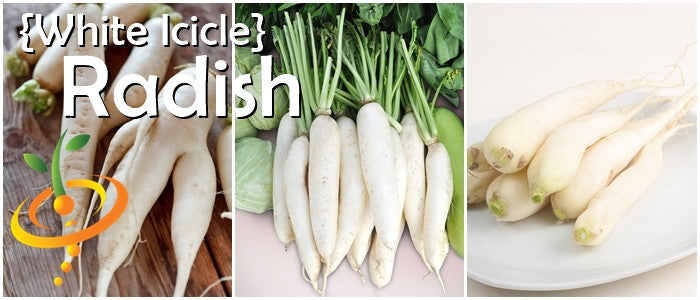
- Slender tapered root is 4" to 5" long with crisp, mild, white flesh
- Extremely easy to grow
- Grows well in small spaces & containers
- Days to Maturity | 30-40 days
Additional DetailsRadishes are rich in ascorbic acid, folic acid, and potassium. They are a good source of vitamin B6, riboflavin, magnesium, copper, and calcium. One cup of sliced red radish bulbs provides approximately 20 calories, largely from carbohydrates
Follow SeedsNow.com's board Radishes on Pinterest. - Slender tapered root is 4" to 5" long with crisp, mild, white flesh
-
Sprouts/Microgreens - Bean, Adzuki seeds
From $399 USDUnit price /UnavailableDescription
- Certified Kosher by Chabad House of Western Michigan.
- Certified Organic.
- The Adzuki Bean (Vigna angularis) has been grown in the Far East for centuries.
- Adzuki beans are one of Japan’s largest crops, with annual consumption of over 120,000 metric tons.
- Adzuki beans are often sprouted for only one day, mixed with other sprouts and called a "Crispy Mix" or "Crunchy Mix."
- They are commonly used throughout Asia in a variety of ways.
- Certified Kosher by Chabad House of Western Michigan.

Sprouts/Microgreens - Alfalfa seeds
From $399 USDUnit price /UnavailableDescription
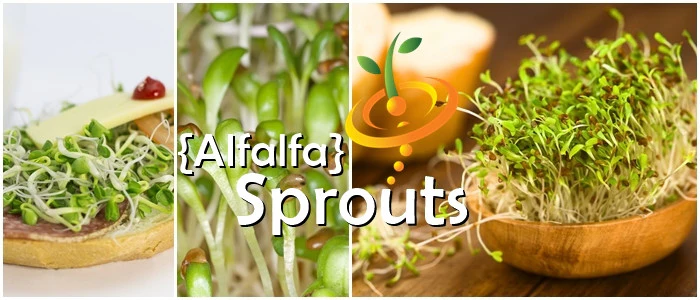
Organic alfalfa sprouts deliver nutrient-dense greens in just 5-7 days using simple indoor sprouting methods. These seeds germinate reliably in mason jars, sprouting trays, or dedicated sprouters without soil, making them ideal for year-round cultivation regardless of outdoor conditions. Alfalfa sprouts are rich in vitamins, minerals, and enzymes while remaining exceptionally low in calories, offering substantial nutritional returns from minimal space. The sprouting process requires only water, proper drainage, and consistent rinsing—no special equipment or gardening experience necessary. Certified organic seeds ensure chemical-free production from seed to harvest. Perfect for health-conscious growers seeking fresh, living foods with complete control over growing conditions. Enjoy crisp, tender sprouts in salads, sandwiches, and smoothies within days of starting your crop.
Organic
- Alfalfa is one of the healthiest and easiest sprouts you can grow!
- Extremely high in protein, calcium, plus other minerals and vitamins in the B group, vitamin C, vitamin E, and vitamin K.
- Alfalfa is extremely easy to grow.
- All organic. All natural.
- If you like Alfalfa sprouts, make sure to check out Red Clover sprouts.
- Looking for an All-in-1 kit? Check out this All-in-1 Seed Sprouting Kit + Mason Jar.

How to Grow Sprouts
The easiest method is to grow sprouts in a Mason jar. To provide plenty of fresh air, cover the top with the mesh screen.
Step One: Soaking
For a quart-sized jar, put 1 ½ to 2 tablespoons of small seeds (up to 1 cup if using larger seeds like green peas or garbanzo) in the sprouting jar. Cover top of jar with cloth or sprouting lid and rinse the seeds in warm (not hot) water. Drain and refill so that water is about an inch above the seeds. Let the seeds soak 8-12 hours (overnight). Protect from light by covering with a dish towel or placing in a cupboard.
Step Two: Rinsing
Rinse 2 to 3 times per day for 2 to 3 days. After thoroughly draining the rinse water, lay the jar on its side to spread out the seeds. Do not expose to light. After 2 to 3 days the sprouts should be filling up the jar.
Things to Remember:1. Rinse often (2-3 times/day).
2. Keep them moist, not wet.
3. Keep them at room temperature.
4. Give them air to breathe.
5. Don't grow too many in one container.
6. Keep them in a dark place.
- Alfalfa is one of the healthiest and easiest sprouts you can grow!
-
Sprouts/Microgreens - Barley Grass seeds
From $399 USDUnit price /UnavailableDescription

- Organic.
- Known as the the famous nutritious Super Green supplement.
- It is even more nutritious in the form of raw juice.
- Ideal for juicing.
- Can be ground up for Barley flour and bread.
- Extremely healthy and nutritious.
- Days to Harvest | Barley grass will be ready to harvest in appx. 6 to 10 days
- Organic.
-
Sprouts/Microgreens - Pea, Green seeds
From $399 USDUnit price /UnavailableDescription
- Organic
- Ready to eat as a sprout just a soon as they pop.
- Sweet and delicious in salads and casseroles.
- Day to Maturity | 3-7 days
Follow SeedsNow.com's board Green Pea Sprouts on Pinterest. -
Sprouts/Microgreens - Mustard, Mizuna (Green) seeds
From $399 USDUnit price /UnavailableDescription
Mustard, Sprouts & Micro-Greens
- Mustard is a member of the crucifer family.
- Mustard greens are a popular dish in the Southern U.S. and are an excellent source of vitamins A and C.
- Mustard sprouts have a strong spicy flavor and are usually blended with alfalfa or clover sprouts.
Follow SeedsNow.com's board Mustard on Pinterest. - Mustard is a member of the crucifer family.
-
Sprouts/Microgreens - Radish, Classic seeds
From $399 USDUnit price /UnavailableDescription
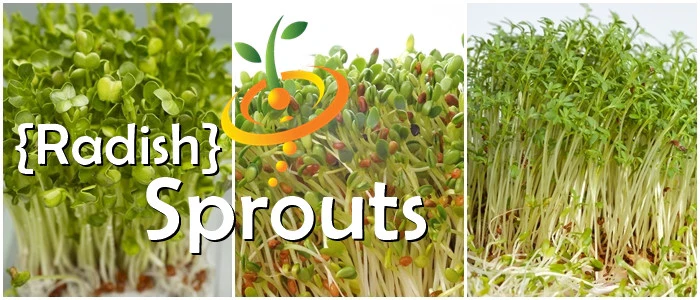 Radish microgreens deliver a peppery punch to salads, sandwiches, and garnishes while packing impressive nutritional density. These fast-growing shoots are ready to harvest in just 7-10 days, making them ideal for home growers seeking quick results. Rich in vitamins C and K, plus glucosinolates known for their potential health benefits, radish microgreens thrive in shallow trays with consistent moisture and indirect light. Simply soak seeds overnight, spread evenly on growing medium, and maintain humidity until sprouting. Their crisp texture and bold flavor make them a favorite among chefs and health-conscious home gardeners alike.
- Easy to grow - and - taste great.
- Radish sprouts have gained popularity in recent years.
- Certified Organic
Follow SeedsNow.com's board Radish on Pinterest. -
Sprouts/Microgreens - Radish, Daikon seeds
From $399 USDUnit price /UnavailableDescription
- Organic
- They're easy to grow - and - taste great.
- Country of Origin: Italy
-
Hints of pepper flavor.
-
Radish sprouts have gained popularity in recent years.
- Day to Maturity | 3-6 days
Follow SeedsNow.com's board Radish on Pinterest. - Organic
-
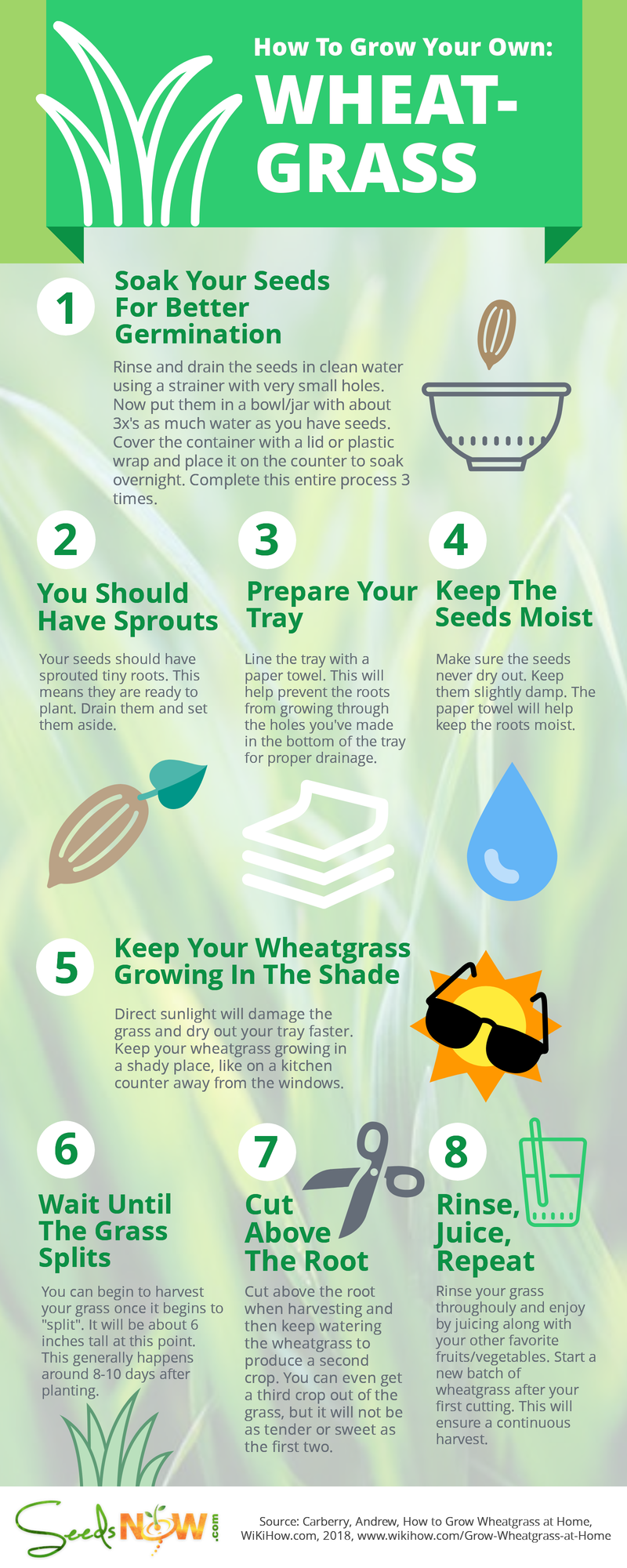
Sprouts/Microgreens - Wheat Grass seeds
From $399 USDUnit price /UnavailableDescription
 Wheat Grass
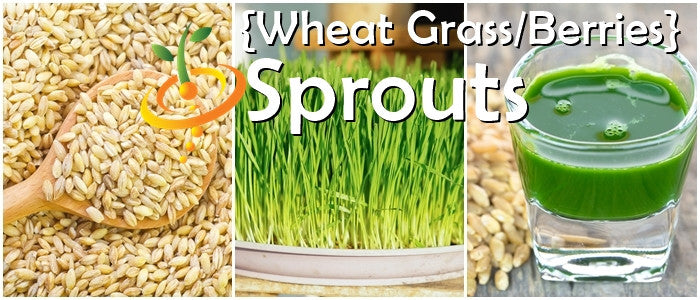
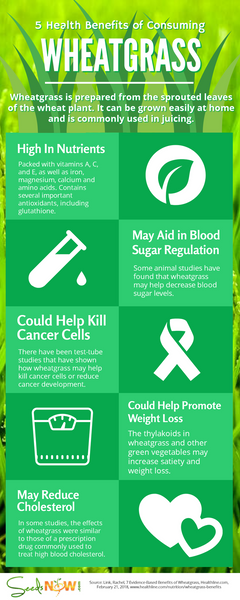
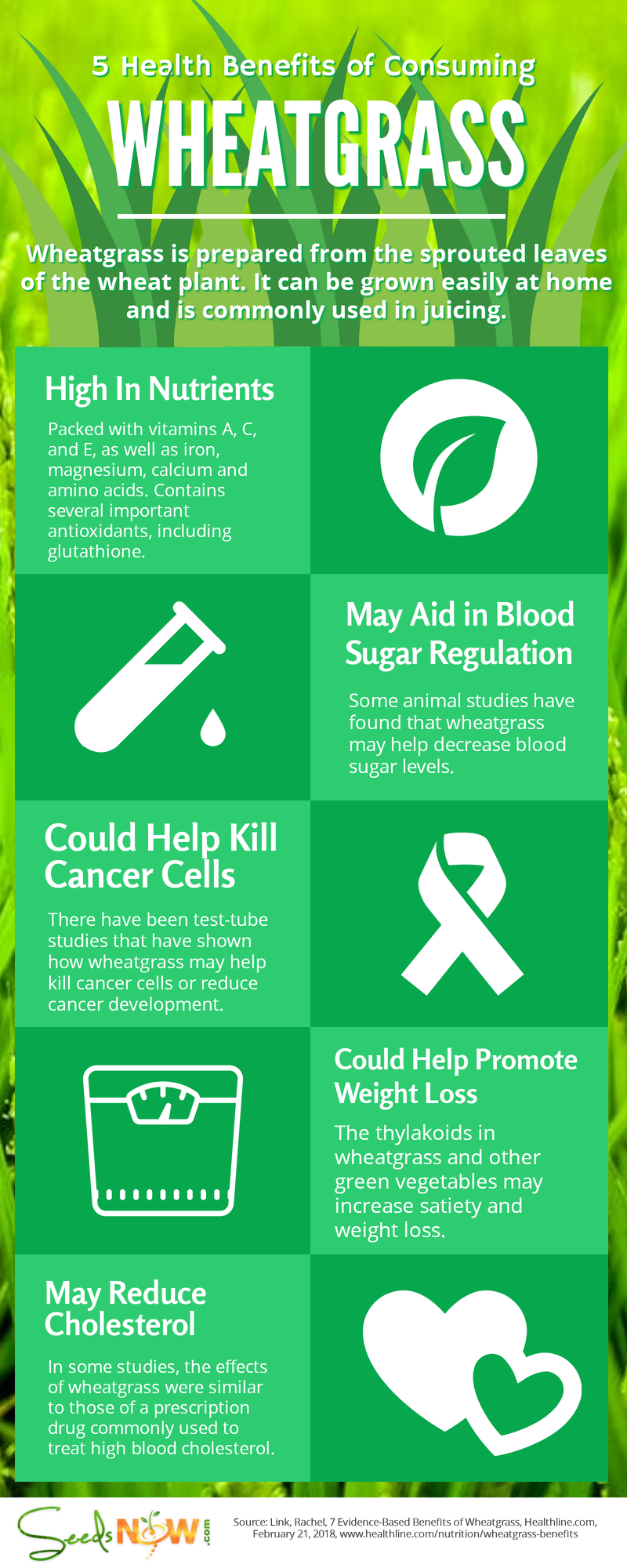
- Wheatgrass is the freshly sprouted first leaves of the common wheat plant, used as a food, drink, or dietary supplement. Like most plants, wheatgrass contains chlorophyll, amino acids, minerals, vitamins and enzymes. Claims about the health benefits of wheatgrass range from providing supplemental nutrition to having unique curative properties.
- Wheatgrass is an excellent source of dietary fiber, just like any whole grains.
- High in folic acid, protein, B-complex vitamins and vitamin E.
- The wheat sprouts are extremely rich in Vitamins A,B, C and E along with other minerals.
-
Day to Sprout | 2-3 days - The wheat grass will be ready to juice in appx. 7 to 10 days
Read: How to Sprout Wheat Berries at Home in a Mason Jar
Read: How to Grow Wheatgrass at Home *Without Soil*


SHIPPING NOTE: This item cannot be shipped to Canada.
- Wheatgrass is the freshly sprouted first leaves of the common wheat plant, used as a food, drink, or dietary supplement. Like most plants, wheatgrass contains chlorophyll, amino acids, minerals, vitamins and enzymes. Claims about the health benefits of wheatgrass range from providing supplemental nutrition to having unique curative properties.
-
From $399 USDUnit price /Unavailable
Description
Quick Overview
• Annual
• Good for breaking up soil!• Planting rate: 1 lb. per 1,000 sq. ft.
Details
Especially valuable for its release of phosphorus, buckwheat also contributes a significant amount of organic matter. Very competitive with weeds, good for breaking up the soil. Can grow two crops in the north.
Bees love Buckwheat! Good bugs love buckwheat!Seed when ground is well warmed and after last spring frost; it has no frost tolerance. When June planted, in 35 days it is waist high, in bloom and ready to plow under. Good to follow with a fall crops of rye and Austrian winter pea. Just rake in some seed after harvesting an annual crop and buckwheat will keep out the weeds and look great doing it. Green Lacewing adults will feast on the nectar then deposit their "aphid lion" eggs on nearby garden crops. -
Cover Crop - Clover (Yellow Sweet Blossom) seeds
From $399 USDUnit price /UnavailableDescription
Quick Overview
• Biennial
• Vigorous
• Sow Spring & Summer
Details
Tremendous green manure and bee pasture. Vigorous grower with long tap roots to help break up compact soil. Can produce up to 125 lb. of nitrogen per acre. Sow in the spring or summer. Planting rate: 1/2 lb per 1,000 sq ft -
Cover Crop - Hairy Vetch seeds
From $399 USDUnit price /UnavailableDescription
Quick Overview
• Annual
• Nitrogen-rich
• Hardy
• Vicia villosa Cool season legume cover cropDetails
Valuable soil-improvement crop. Vigorous legume produces huge amounts of nitrogen-rich biomass for turning under. Can be planted in the spring through late summer. Late summer (late August early September) planted vetch will winter over, growing vigorously the following spring. Can be mixed with oats or rye for maximum weed competition. Hardy; will also sprout in the spring if planted before the ground freezes in November (like winter rye). Demands fairly fertile soil and adequate rainfall as is shallow-rooted. Livestock caution: Seeds are poisonous. Planting rate: 1 lb per 1,000 sq ft  From $399 USDUnit price /Unavailable
Description

- America Spinach will produce a beautiful dark green plant in only 40 days
- Excellent flavor
- Extremely easy to grow
- Grows best during the cooler months
- Grows really well in containers and other small spaces
-
How to Grow | Spinach is very hardy and can tolerate cold — in fact, it thrives in cold weather. Spinach grows really well during winter months in the South. Spinach also grows well in early spring and late summer in the North. These seeds should be planted about four weeks before your area's average date of last frost.
- Days to Maturity | 40 days
- America Spinach will produce a beautiful dark green plant in only 40 days
-
From $399 USDUnit price /Unavailable
Description

- Bloomsdale Spinach will produce heavy, glossy, dark green leaves
- Excellent flavor
- Extremely easy to grow
-
How to Grow | Spinach is very hardy and can tolerate cold — in fact, it thrives in cold weather. Spinach grows really well during winter months in the South. Spinach also grows well in early spring and late summer in the North. These seeds should be planted about four weeks before your area's average date of last frost.
- Days to Maturity | 45 days
- Bloomsdale Spinach will produce heavy, glossy, dark green leaves
 From $399 USDUnit price /Unavailable
Description
- These New Zealand spinach seeds will produce very flavorful medium triangular-shaped green spinach leaves
- This is one of the few spinach varieties that produces continuously all year, from spring to fall. The more you cut and use the more it will continue to grow
- New Zealand spinach is a large growing plant and needs 2 foot rows, 1 foot between plants
- And ... unlike the other spinach varieties, the New Zealand is one that can survive through the hot summers
-
Days to Maturity | 75 days
- These New Zealand spinach seeds will produce very flavorful medium triangular-shaped green spinach leaves
-
Swiss Chard - Barese "Baby Leaf" Dark Green seeds
From $399 USDUnit price /UnavailableDescription
- The Barese Swiss Chard variety produces delicious tender 10" tall dark glossy green leaves with curled edges
- A delicious baby leaf that grows quickly
- Ready to harvest in less than 30 days. Plant produces good yields of 10" tall leaves
- Excellent for salads and/or steamed with others greens
- Days to Maturity | Less than 30 days!
Additional DetailsSwiss chard is high in vitamins A, K and C, with a 175g serving containing 214%, 716%, and 53%, respectively, of the recommended daily value. It is also rich in minerals, dietary fiber and protein.
- The Barese Swiss Chard variety produces delicious tender 10" tall dark glossy green leaves with curled edges
-
Swiss Chard - Canary Yellow seeds
From $399 USDUnit price /UnavailableDescription
Yellow Canary Swiss Chard
-
The Yellow Canary Swiss Chard is a popular plant that produces some of the most amazing looking swiss chard leaves in a bright shades of yellow.
- Perfect for salads or steamed greens.
- One of this years most popular varieties to grow.
- Extremely healthy.
- Easy to grow.
-
Day to Maturity | 65 days
Additional DetailsSwiss chard is high in vitamins A, K and C, with a 175g serving containing 214%, 716%, and 53%, respectively, of the recommended daily value. It is also rich in minerals, dietary fiber and protein.
-
The Yellow Canary Swiss Chard is a popular plant that produces some of the most amazing looking swiss chard leaves in a bright shades of yellow.
-
Swiss Chard - Classic "Fordhook" Giant seeds
From $399 USDUnit price /UnavailableDescription
- This Swiss Chard variety produces beautiful and delicious tender pale green stems and dark green leaves with white veins.
- Plant produces good yields of 10" tall leaves
- Excellent for salads and/or steamed with others greens
- A cold and heat tolerant variety
- Days to Maturity | 60 days
Additional DetailsSwiss chard is high in vitamins A, K and C, with a 175g serving containing 214%, 716%, and 53%, respectively, of the recommended daily value. It is also rich in minerals, dietary fiber and protein.
- This Swiss Chard variety produces beautiful and delicious tender pale green stems and dark green leaves with white veins.
-
From $399 USDUnit price /Unavailable
Description
-
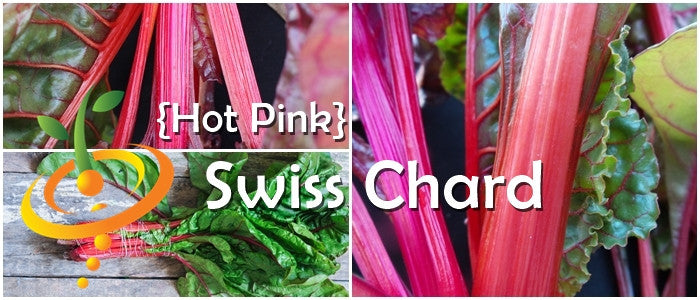
The Pink Swiss Chard produces excellent yields of dark green shiny leaves with magenta/hot pink stalks and veins
- Excellent for salads, juicing, and/or steamed with others greens
- Extremely healthy
- Easy to grow
- Days to Maturity | 65 days
Additional DetailsSwiss chard is high in vitamins A, K and C, with a 175g serving containing 214%, 716%, and 53%, respectively, of the recommended daily value. It is also rich in minerals, dietary fiber and protein.
-
The Pink Swiss Chard produces excellent yields of dark green shiny leaves with magenta/hot pink stalks and veins
-
Swiss Chard - Magenta Sunset seeds
From $399 USDUnit price /UnavailableDescription

-
The Magenta Swiss Chard is a popular plant that produces bright magenta colored stems
- Perfect for salads or steamed greens
- One of this years most popular varieties to grow
- Extremely healthy
- Easy to grow
- Days to Maturity | 65 days
Additional DetailsSwiss chard is high in vitamins A, K and C, with a 175g serving containing 214%, 716%, and 53%, respectively, of the recommended daily value. It is also rich in minerals, dietary fiber and protein.
-
The Magenta Swiss Chard is a popular plant that produces bright magenta colored stems
-
From $399 USDUnit price /Unavailable
Description

-
The Orange Swiss Chard is a popular plant that produces some of the most amazing looking swiss chard leaves in a bright shade of orange
- Perfect for salads or steamed greens
- One of this years most popular varieties to grow
- Extremely healthy
- Easy to grow
-
Days to Maturity | 65 days
Additional DetailsSwiss chard is high in vitamins A, K and C, with a 175g serving containing 214%, 716%, and 53%, respectively, of the recommended daily value. It is also rich in minerals, dietary fiber and protein.
-
The Orange Swiss Chard is a popular plant that produces some of the most amazing looking swiss chard leaves in a bright shade of orange
-
Swiss Chard - Rainbow Mix seeds
From $399 USDUnit price /UnavailableDescription

- The Rainbow Swiss Chard is a popular plant that produces some of the most amazing looking swiss chard leaves in shades of red, orange, purple, yellow, and white
- Perfect for salads or steamed greens
- One of this years most popular varieties to grow
- A heirloom variety from Australia
- Extremely healthy
- Easy to grow - Days to Maturity | 65 days
Additional DetailsSwiss chard is high in vitamins A, K and C, with a 175g serving containing 214%, 716%, and 53%, respectively, of the recommended daily value. It is also rich in minerals, dietary fiber and protein.
- The Rainbow Swiss Chard is a popular plant that produces some of the most amazing looking swiss chard leaves in shades of red, orange, purple, yellow, and white
-
From $399 USDUnit price /Unavailable
Description

-
The Ruby Red Swiss Chard is an extremely prolific plant that is a very popular variety for home growers. The plant grows to about 2' tall and produces some of the most amazing looking swiss chard leaves in a deep shade of ruby red
- Perfect if you're into juicing your swiss chard leaves
- Great to saute and/or steam
- Excellent as a salad
- Plant yields all summer long into the fall months
- Extremely healthy
- Easy to grow
-
Days to Maturity | 65 days
Additional DetailsSwiss chard is high in vitamins A, K and C, with a 175g serving containing 214%, 716%, and 53%, respectively, of the recommended daily value. It is also rich in minerals, dietary fiber and protein.
-
The Ruby Red Swiss Chard is an extremely prolific plant that is a very popular variety for home growers. The plant grows to about 2' tall and produces some of the most amazing looking swiss chard leaves in a deep shade of ruby red
-
Carrot - Heritage Rainbow Blend seeds
From $399 USDUnit price /UnavailableDescription
-
The Heritage Rainbow Blend is a mix of different colored carrots.
- 7" long and 2" thick with thickly tapered ends
- Tender and very sweet
- Carrots are sun-loving plants that also like the cold.
-
Days to Maturity | 70 days
- Carrot Seeds | Carrots are an annual cool-season crop, half-hardy to frost and light freezes. Sow seeds evenly in a very shallow furrow, about 1/4 inch deep, and keep seeds moist so they will germinate.
Click here for complete Carrot grow guide
Additional Details
Carrot gets its characteristic and bright orange colour from β-carotene, which is metabolised into vitamin A in humans when bile salts are present in the intestines. Carrots are also rich in dietary fibre, antioxidants, and minerals.

Follow SeedsNow.com's board Carrots on Pinterest. -
The Heritage Rainbow Blend is a mix of different colored carrots.
-
Carrot - Cosmic Purple (7" Long) seeds
From $399 USDUnit price /UnavailableDescription
-
The Cosmic Purple carrot is one of the most beautiful varieties you can grow in your garden.
- A great addition to any culinary creation.
- 7" long and 2" thick with thickly tapered ends
- Tender and very sweet
- Carrots are a sun-loving plants that also like the cold.
-
Day to Maturity | 70 days
- Carrot Seeds | Carrots are an annual cool-season crop, half-hardy to frost and light freezes. Sow seeds evenly in a very shallow furrow, about 1/4 inch deep, and keep seeds moist so they will germinate.
Click here for complete Carrot grow guide
Additional DetailsCarrot gets its characteristic and bright orange colour from β-carotene, which is metabolised into vitamin A in humans when bile salts are present in the intestines. Carrots are also rich in dietary fibre, antioxidants, and minerals.
Follow SeedsNow.com's board Carrots on Pinterest. -
The Cosmic Purple carrot is one of the most beautiful varieties you can grow in your garden.
-
From $399 USDUnit price /Unavailable
Description
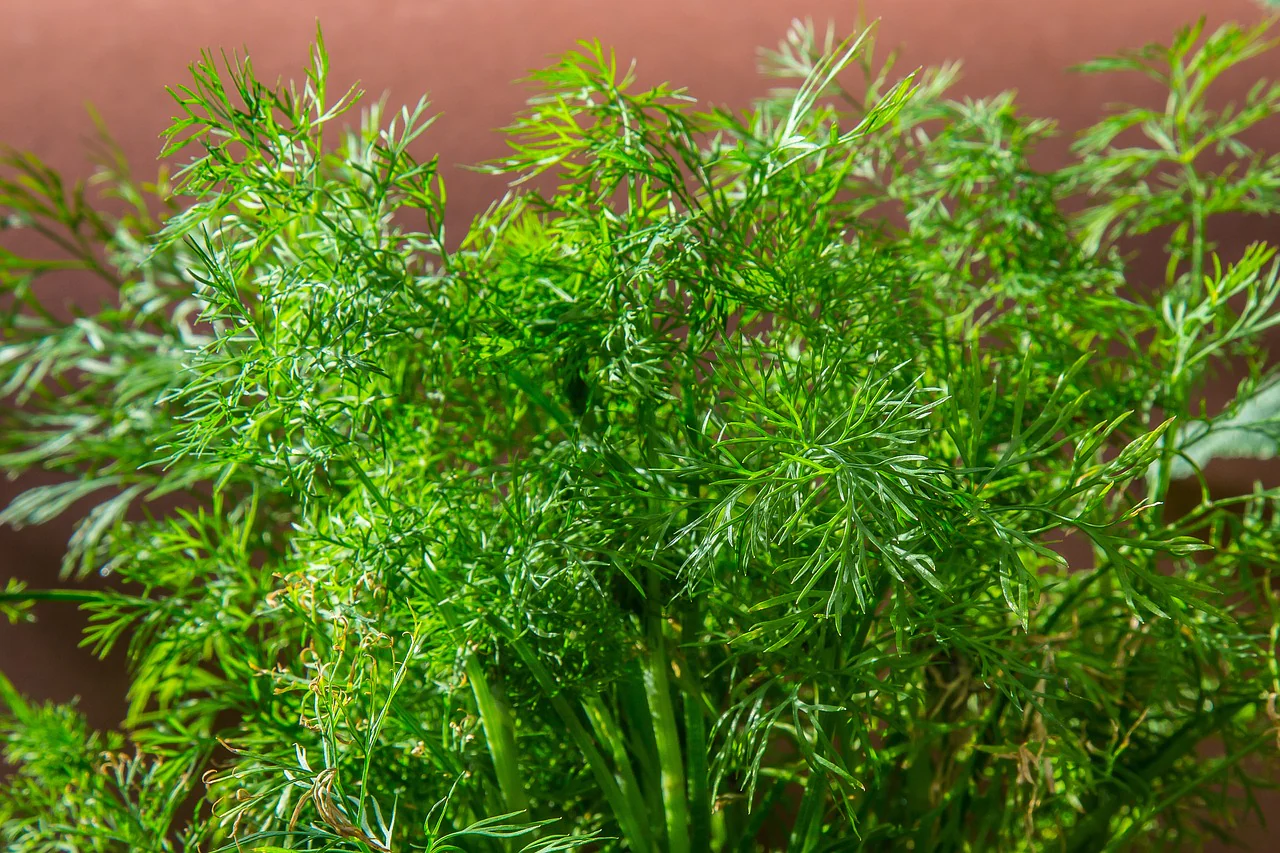
- Dukat dill is a particularly fine plant with amazing flavor and large heads. If you like dill you will love to try this new variety in your garden
- This variety is darker than most other dill varieties.
- Excellent fresh or dried.
- Grown for homemade dill pickles.
- Can be grown in containers, raised beds, and any other location in full sun.
- Annual plant.
- Adds great flavor and color to many culinary creations.
Additional Details
Dill has a very long history of herbal use going back more than 2,000 years. The seeds are a common and very effective household remedy for a wide range of digestive problems. An infusion is especially efficacious in treating gripe in babies and flatulence in young children. The seed is aromatic, carminative, mildly diuretic, galactogogue, stimulant and stomachic.
Other Medicinal Properties
Dill is also used in the form of an extracted essential oil. Used either in an infusion, or by eating the seed whole, the essential oil in the seed relieves intestinal spasms and griping, helping to settle colic. Chewing the seed improves bad breath. Dill is also a useful addition to cough, cold and flu remedies, it can be used with antispasmodics such as Viburnum opulus to relieve period pains. Dill will also help to increase the flow of milk in nursing mothers and will then be taken by the baby in the milk to help prevent colic.
See Dill Recipes & Growing Tips on our Pinterest Board
Follow SeedsNow.com's board Dill on Pinterest. - Dukat dill is a particularly fine plant with amazing flavor and large heads. If you like dill you will love to try this new variety in your garden

Spinach - Monstrueux De Viroflay seeds
From $399 USDUnit price /UnavailableDescription
Monstrous Viroflay spinach is a variety of spinach known for its large, dark green leaves and delicious flavor. It is a popular choice among gardeners and spinach enthusiasts due to its impressive size and nutritional value.
This variety of spinach is named after the town of Viroflay in France, where it was first cultivated. It is known for its vigorous growth and ability to produce abundant harvests.
Monstrous Viroflay spinach is rich in vitamins A, C, and K, as well as iron, calcium, and fiber. It is a nutrient-dense leafy green that can be enjoyed in a variety of dishes, including salads, sautés, and smoothies.
One of the key features of Monstrous Viroflay spinach is its size. The leaves can grow up to 10 inches long, making them perfect for salads or as a side dish. The large leaves also make it easier to harvest and prepare the spinach.
When growing Monstrous Viroflay spinach, it is important to provide it with well-drained soil and ample sunlight. This variety thrives in cool weather and can be planted in early spring or late summer for a fall harvest.
Monstrous Viroflay spinach is a versatile and nutritious addition to any garden or kitchen. Its impressive size, delicious taste, and health benefits make it a favorite among spinach lovers.
-
How to Grow | Spinach is very hardy and can tolerate cold — in fact, it thrives in cold weather. Spinach grows really well during winter months in the South. Spinach also grows well in early spring and late summer in the North. These seeds should be planted about four weeks before your area's average date of last frost.
- Days to Maturity | 45 days
-
How to Grow | Spinach is very hardy and can tolerate cold — in fact, it thrives in cold weather. Spinach grows really well during winter months in the South. Spinach also grows well in early spring and late summer in the North. These seeds should be planted about four weeks before your area's average date of last frost.
-
Onion - Walla Walla Sweet (Long Day) seeds
From $399 USDUnit price /UnavailableDescription

- The Walla Walla Sweet Onion variety will produces a globed shaped white onion
- Bulbs can reach 2 lbs
- This is one of the most popular Long day onion varieties available
- Easy to grow
- Perfect for beginners
- Grows well in containers and tight spaces
-
Days to Maturity | 110-120 days
Onion Seeds | Onions are easy to grow, have a fairly short growing period and take up little space in the garden. Plant onions 1/4 inch deep and 3 to 4 inches apart in double rows, leaving 6 to 10 inches between rows.
Click here for complete Onion grow guide
- The Walla Walla Sweet Onion variety will produces a globed shaped white onion
-
Carrot - St. Valery/James Scarlet (12" Long) seeds
From $399 USDUnit price /UnavailableDescription
- Old French variety that produces extremely sweet and delicious carrots up to 12” in length
- Tender, sweet, and smooth roots
-
Also known as the “James Scarlet”
-
Days to Maturity | 70 days
-
Carrot Seeds | Carrots are an annual cool-season crop, half-hardy to frost and light freezes. Sow seeds evenly in a very shallow furrow, about 1/4 inch deep, and keep seeds moist so they will germinate.
Click here for complete Carrot grow guide
Additional Details
Carrot gets its characteristic and bright orange colour from β-carotene, which is metabolised into vitamin A in humans when bile salts are present in the intestines. Carrots are also rich in dietary fibre, antioxidants, and minerals.
- Old French variety that produces extremely sweet and delicious carrots up to 12” in length
-
Carrot - Snow White (7" Long) seeds
From $399 USDUnit price /UnavailableDescription
The Snow White Carrot (Daucus carota) is a creamy white carrot with a crispy crunch and mild, sweet flavor. Grows 7" long with a tapered root. Harvest sooner for small carrots. Half-hardy to frost and light freezes. Good steamed, roasted, and fresh.
- Sweet and crunchy
- Size: 7" long
- Days to germinate (sprout): 7-21 days
- Days to maturity: 70-75
Good companion plants: Broccoli, Cauliflower, Chives, Lettuce, Onion, Parsley, Peas, Rosemary, Sage, Thyme, Tomato
SEED PLANTING TIPS
- Depth to plant seeds: .25" deep
- Spacing between plants: 2" apart
- Spacing between rows: 18"-24" apart
- Days to germinate (sprout): 7-21 days
- Germination soil temps: 65F-85F
- Soil needs: 6.0-6.8 pH
- Sun needs: Full sun
- Hardiness: Half-hardy to frost and light freezes
- Planting season: Spring, fall
- # of plants per sq. ft.: Appx. 16 plants per sq. ft.
- Days to maturity: 70-75 days
-
Carrot - Solar Yellow (7" Long) seeds
From $399 USDUnit price /UnavailableDescription
The Solar Yellow Carrot (Daucus carota) is a sunny yellow carrot with a crispy crunch and a flavor slightly sweeter than the orange ones. Grows 7" long with a tapered root. Harvest sooner for small carrots. Half-hardy to frost and light freezes.
- Sweet and crunchy
- Size: 7" long
- Days to germinate (sprout): 7-21 days
- Days to maturity: 75-80
Good companion plants: Broccoli, Cauliflower, Chives, Lettuce, Onion, Parsley, Peas, Rosemary, Sage, Thyme, Tomato
SEED PLANTING TIPS
- Depth to plant seeds: .25" deep
- Spacing between plants: 2" apart
- Spacing between rows: 18"-24" apart
- Days to germinate (sprout): 7-21 days
- Germination soil temps: 65F-85F
- Soil needs: 6.0-6.8 pH
- Sun needs: Full sun
- Hardiness: Half-hardy to frost and light freezes
- Planting season: Spring, fall
- # of plants per sq. ft.: Appx. 16 plants per sq. ft.
- Days to maturity: 70-75 days
-
Carrot - Purple Haze (8" Long) seeds
From $399 USDUnit price /UnavailableDescription
The Purple Haze Carrot (Daucus carota) is dark purple on the outside and bright orange on the inside. Fun when sliced into coins. Grows 6"-8" with tapered roots, good texture, and sweet flavor. Half-hardy to frost and light freezes. Good steamed, roasted, and fresh.
- F1 hybrid
- Sweet and crunchy
- Size: 6"-8" long
- Days to germinate (sprout): 7-21 days
- Days to maturity: 70-75
- Can be harvested sooner for mini sized carrots
Good companion plants: Broccoli, Cauliflower, Chives, Lettuce, Onion, Parsley, Peas, Rosemary, Sage, Thyme, Tomato
SEED PLANTING TIPS
- Depth to plant seeds: .25" deep
- Spacing between plants: 2" apart
- Spacing between rows: 18"-24" apart
- Days to germinate (sprout): 7-21 days
- Germination soil temps: 65F-85F
- Soil needs: 6.0-6.8 pH
- Sun needs: Full sun
- Hardiness: Half-hardy to frost and light freezes
- Planting season: Spring, fall
- # of plants per sq. ft.: Appx. 16 plants per sq. ft.
- Days to maturity: 70-75 days
-
Carrot - Paris Market (2" Round) seeds
From $399 USDUnit price /UnavailableDescription
The Paris Market Carrot (Daucus carota) is a tender, adorable 2" round carrot with very sweet flavor. Grows well in containers, shallow beds, and rocky soil. Half-hardy to frost and light freezes. Good steamed, roasted, and fresh.
- Very sweet and crunchy
- Size: 2" in diameter
- Days to germinate (sprout): 7-21 days
- Days to maturity: 35 days
Good companion plants: Broccoli, Cauliflower, Chives, Lettuce, Onion, Parsley, Peas, Rosemary, Sage, Thyme, Tomato
SEED PLANTING TIPS
- Depth to plant seeds: .25" deep
- Spacing between plants: 2" apart
- Spacing between rows: 18"-24" apart
- Days to germinate (sprout): 7-21 days
- Germination soil temps: 65F-85F
- Soil needs: 6.0-6.8 pH
- Sun needs: Full sun
- Hardiness: Half-hardy to frost and light freezes
- Planting season: Spring, fall
- # of plants per sq. ft.: Appx. 16 plants per sq. ft.
- Days to maturity: 70-75 days

Sprouts/Microgreens - Pea, Brown Speckled seeds
From $399 USDUnit price /UnavailableDescription
- Organic
- Ready to eat as a sprout just a soon as they pop.
- Sweet and delicious in salads and casseroles.
- Day to Maturity | 3-7 days
Follow SeedsNow.com's board Green Pea Sprouts on Pinterest. -
Lettuce - Marvel of Four Seasons seeds
From $399 USDUnit price /UnavailableDescription

Marvel of Four Seasons lettuce plant, also known as Lactuca sativa, is a popular variety of lettuce that is highly sought after by gardeners and salad enthusiasts. This unique lettuce variety is known for its beautiful red and green leaves, making it a visually appealing addition to any garden or salad bowl.
Marvel of Four Seasons lettuce is a cool-season crop that thrives in mild climates and can be grown in both spring and fall. It is a loose-leaf lettuce variety, which means that the leaves grow in a loose, open head rather than forming a tight, compact head like other lettuce varieties.
One of the key features of Marvel of Four Seasons lettuce is its exceptional taste. The leaves have a delicate, buttery flavor with a slight hint of bitterness, making it a versatile ingredient in salads, sandwiches, and wraps. Its crisp texture adds a refreshing crunch to any dish.
Growing Marvel of Four Seasons lettuce is relatively easy, making it a great choice for both beginner and experienced gardeners. It prefers well-drained soil and requires regular watering to keep the soil moist. This lettuce variety can be grown in containers, raised beds, or directly in the ground.
When planting Marvel of Four Seasons lettuce, it is important to sow the seeds thinly and cover them with a thin layer of soil. The seeds should be spaced about 6 inches apart to allow room for the plants to grow. It is recommended to provide the plants with partial shade to protect them from excessive heat.
Harvesting Marvel of Four Seasons lettuce is a rewarding experience. The leaves can be harvested individually as needed or the entire plant can be harvested at once. To harvest the leaves, simply cut them off at the base using a sharp knife or scissors. The plant will continue to produce new leaves, allowing for multiple harvests throughout the growing season.
Marvel of Four Seasons lettuce is not only a delicious and visually appealing addition to your garden, but it is also packed with nutritional benefits. It is a good source of vitamins A and K, as well as folate and fiber. Adding this lettuce variety to your diet can contribute to a healthy and balanced lifestyle.
Whether you are a seasoned gardener or just starting out, Marvel of Four Seasons lettuce is a fantastic choice for your garden. Its beautiful appearance, delicious taste, and nutritional benefits make it a must-have for any lettuce lover. Start growing your own Marvel of Four Seasons lettuce today and enjoy the satisfaction of harvesting your own fresh, homegrown lettuce.
Click here for our complete Lettuce grow guide -
Lettuce - Bronze Mignonette (Butterhead) seeds
From $399 USDUnit price /UnavailableDescription
The Bronze Mignonette lettuce (Lactuca sativa) is a distinctive variety of lettuce known for its unique coloration and flavor profile. This heirloom variety features leaves that are a rich bronze color, which not only adds visual interest to the garden but also provides a slightly nutty taste that is favored in gourmet salads. The leaves are tender and crisp, making them an excellent choice for fresh consumption.
In terms of growth characteristics, the Bronze Mignonette lettuce is a loose-leaf variety that typically reaches maturity in approximately 50 to 60 days after sowing. It thrives in cool weather, making it ideal for spring and fall planting. Optimal growing conditions include well-drained, fertile soil with a pH level between 6.0 and 7.0. This lettuce variety prefers full sun but can tolerate partial shade, particularly in warmer climates.
When planting Bronze Mignonette lettuce, it is recommended to space seeds approximately 12 inches apart to allow for adequate air circulation and growth. Regular watering is essential, particularly during dry spells, as consistent moisture helps to maintain the crispness of the leaves. However, care should be taken to avoid waterlogging, which can lead to root rot.
In terms of nutritional value, lettuce is low in calories and provides a good source of vitamins A and K, as well as folate. The Bronze Mignonette variety, in particular, is noted for its high antioxidant content, which contributes to overall health benefits. Incorporating this lettuce into your diet can enhance your intake of essential nutrients while adding a flavorful component to meals.
Harvesting Bronze Mignonette lettuce can begin when the leaves are large enough to eat, typically around 30 days after sowing. It is advisable to harvest the outer leaves first, allowing the inner leaves to continue growing. This method not only prolongs the harvest period but also ensures that the plant remains healthy and productive.
In conclusion, the Bronze Mignonette lettuce is an excellent addition to any garden, offering both aesthetic appeal and culinary versatility. Its unique flavor and nutritional benefits make it a valuable crop for home gardeners and culinary enthusiasts alike. By understanding its growth requirements and harvesting techniques, gardeners can successfully cultivate this delightful variety and enjoy its fresh taste throughout the growing season.
-
Carrot - Scarlet Nantes (6-7" Long) seeds
From $399 USDUnit price /UnavailableDescription
The Scarlet Nantes carrot (Daucus carota subsp. sativus) is a popular variety among home gardeners due to its exceptional flavor, vibrant color, and adaptability to various growing conditions. This heirloom cultivar is characterized by its cylindrical shape, smooth skin, and sweet, crisp texture, making it an ideal choice for both fresh consumption and culinary applications.
Scarlet Nantes carrots typically reach a length of 6 to 7 inches and are known for their bright orange hue, which is indicative of their high beta-carotene content. Beta-carotene is a precursor to vitamin A, essential for maintaining healthy vision, immune function, and skin health. Studies have shown that orange carrots, such as Scarlet Nantes, can contain up to 14,000 micrograms of beta-carotene per 100 grams, contributing significantly to daily nutritional requirements.
This variety thrives in well-drained, loamy soil with a pH range of 6.0 to 6.8. Carrots prefer full sun, requiring at least 6 hours of direct sunlight daily for optimal growth. When planting Scarlet Nantes carrots, it is advisable to sow seeds directly into the garden bed, as they do not transplant well. The seeds should be sown approximately ¼ to ½ inch deep and spaced 2 to 4 inches apart to allow for proper root development.
Scarlet Nantes carrots have a relatively short growing season, typically maturing in about 70 to 80 days. Regular watering is crucial during the germination phase, as consistent moisture helps to ensure even seedling emergence. Once established, these carrots are relatively drought-tolerant, but maintaining adequate soil moisture will enhance their sweetness and overall quality.
One of the notable advantages of growing Scarlet Nantes carrots is their resistance to common pests and diseases. This variety is less susceptible to carrot rust flies and other root pests, making it an excellent choice for organic gardening practices. Additionally, the robust nature of the Scarlet Nantes allows for extended harvest periods, as they can be left in the ground until needed, provided that the soil does not freeze.
In conclusion, the Scarlet Nantes carrot plant is a valuable addition to any garden, offering both nutritional benefits and culinary versatility. By understanding its growth requirements and characteristics, gardeners can successfully cultivate this flavorful variety, contributing to a sustainable and health-conscious lifestyle.
Click here for complete Carrot grow guide

Carrot - Purple (7" Long) seeds
From $399 USDUnit price /UnavailableDescription
The Purple Carrot (Daucus carota subsp. sativus) is a fascinating variety of the common carrot, known for its vibrant color and unique nutritional profile. Unlike the more familiar orange carrot, the purple carrot contains high levels of anthocyanins, which are powerful antioxidants that contribute to its distinctive hue. Studies have shown that anthocyanins may help reduce the risk of chronic diseases, including heart disease and certain types of cancer.
In terms of cultivation, purple carrots thrive in well-drained, loamy soil with a pH level between 6.0 and 6.8. They prefer full sun exposure, requiring at least 6 to 8 hours of sunlight daily. When planting, it is advisable to sow seeds approximately 1/4 to 1/2 inch deep and 2 to 4 inches apart. Germination typically occurs within 10 to 20 days, depending on soil temperature and moisture levels.
As the purple carrot matures, it can reach lengths of up to 10 inches, with a tapered shape that is characteristic of the species. Harvesting should occur when the roots are firm and have reached a desirable size, generally around 70 to 80 days after planting. It is essential to handle the roots carefully to avoid bruising, which can affect their quality and shelf life.
In addition to their striking appearance, purple carrots offer a range of culinary uses. They can be consumed raw in salads, roasted, or incorporated into various dishes for added color and flavor. Nutritionally, they are a good source of vitamins A, C, and K, as well as dietary fiber. The presence of antioxidants further enhances their health benefits, making them a valuable addition to any garden.
Gardeners interested in growing purple carrots should also consider companion planting. These carrots pair well with onions, garlic, and leeks, which can help deter pests and improve overall yield. It is important to rotate crops annually to maintain soil health and prevent disease buildup.
In conclusion, the purple carrot plant is not only an aesthetically pleasing addition to any garden but also offers numerous health benefits and culinary possibilities. By providing the right growing conditions and care, gardeners can successfully cultivate this unique variety and enjoy its vibrant color and nutritional advantages.
 From $399 USDUnit price /Unavailable
Description
Sunn hemp (Crotalaria juncea) is a versatile and beneficial plant that can be an excellent addition to any garden. Known for its rapid growth and ability to improve soil health, sunn hemp is often used as a cover crop, green manure, and forage.
This leguminous plant is particularly valued for its nitrogen-fixing capabilities, which can enhance soil fertility and structure.
One of the primary advantages of growing sunn hemp is its ability to fix atmospheric nitrogen. Studies have shown that sunn hemp can increase soil nitrogen levels by up to 200 kg per hectare, making it an effective option for enriching nutrient-depleted soils. This process not only benefits the sunn hemp itself but also subsequent crops planted in the same soil.
In addition to nitrogen fixation, sunn hemp contributes organic matter to the soil. As the plant grows, it produces a substantial amount of biomass, which can be incorporated into the soil to improve its structure and water retention capabilities. This organic matter can enhance microbial activity, leading to a healthier soil ecosystem.
When planting sunn hemp, it is essential to consider the timing and conditions. Sunn hemp thrives in warm temperatures and should be sown after the last frost date in your area. The ideal soil temperature for germination is between 70°F and 85°F (21°C to 29°C). It is recommended to plant sunn hemp in well-drained soils with a pH range of 6.0 to 7.5 for optimal growth.
To establish a successful sunn hemp crop, sow seeds at a depth of 1 to 2 inches (2.5 to 5 cm) and space them approximately 12 to 18 inches (30 to 46 cm) apart. The seeds typically germinate within 7 to 14 days, depending on soil temperature and moisture levels. Once established, sunn hemp can grow rapidly, reaching heights of 4 to 6 feet (1.2 to 1.8 meters) within a few months.
It is important to manage sunn hemp effectively to maximize its benefits. Regular monitoring for pests and diseases is crucial, although sunn hemp is generally resistant to many common garden pests. If the plant begins to flower, it is advisable to terminate it before seed set to prevent unwanted self-seeding and maintain control over its growth.
In conclusion, growing sunn hemp in the garden can provide numerous benefits, including improved soil fertility, enhanced organic matter, and support for a healthy garden ecosystem. By incorporating sunn hemp into your gardening practices, you can contribute to sustainable agriculture and promote a more productive growing environment.
-
From $399 USDUnit price /Unavailable
Description
Alfalfa, a leguminous plant, is not only a valuable forage crop but also an excellent cover crop for your garden. Let's explore the benefits of incorporating alfalfa into your garden rotation.
Improves Soil Health
Alfalfa has a deep root system that can reach up to 20 feet into the soil, helping to break up compacted soil and improve drainage. This deep rooting also allows alfalfa to access nutrients and minerals that are out of reach for other plants, making them available for the next crop in the rotation.
Nitrogen Fixation
One of the key benefits of alfalfa is its ability to fix nitrogen from the atmosphere into the soil. This process not only reduces the need for synthetic fertilizers but also enriches the soil with this essential nutrient, promoting healthy plant growth.
Weed Suppression
Alfalfa's dense growth habit and rapid canopy formation help to suppress weed growth in the garden. By shading out competing weeds, alfalfa can reduce the need for manual weeding and herbicide applications, creating a more sustainable and low-maintenance garden environment.
Enhances Biodiversity
As a leguminous plant, alfalfa attracts beneficial insects such as bees and other pollinators to the garden. These insects play a crucial role in pollinating crops and maintaining a healthy ecosystem. Additionally, the deep roots of alfalfa create channels for beneficial soil organisms, improving overall soil biodiversity.
Soil Erosion Control
The extensive root system of alfalfa helps to anchor the soil, reducing erosion caused by wind and water. By protecting the soil from erosion, alfalfa helps to maintain soil structure and fertility, preserving the health of your garden for future seasons.
In conclusion, incorporating alfalfa as a cover crop in your garden rotation can provide a wide range of benefits, from improving soil health and fertility to enhancing biodiversity and controlling weeds. Consider adding alfalfa to your garden plan to reap these rewards and create a more sustainable and resilient growing environment.
-
Cover Crop - Clover (Medium Red) seeds
From $399 USDUnit price /UnavailableDescription
Medium Red Clover (Trifolium pratense) is a widely recognized cover crop that plays a significant role in sustainable agriculture and gardening practices. This leguminous plant is particularly valued for its ability to improve soil health, enhance biodiversity, and contribute to sustainable farming systems.
One of the primary benefits of using Medium Red Clover as a cover crop is its nitrogen-fixing capability. Clover plants have a symbiotic relationship with Rhizobium bacteria, which allows them to convert atmospheric nitrogen into a form that is accessible to plants. Research indicates that clover can fix approximately 100 to 200 pounds of nitrogen per acre per year, significantly reducing the need for synthetic fertilizers and promoting a more sustainable approach to soil fertility.
In addition to nitrogen fixation, Medium Red Clover also improves soil structure and health. Its deep taproot system helps to break up compacted soil layers, enhancing aeration and water infiltration. This can lead to improved root development for subsequent crops and increased resilience against drought conditions. Studies have shown that cover crops like clover can increase soil organic matter by 0.5 to 1.5 percent over several years, which is crucial for maintaining soil fertility and structure.
Furthermore, Medium Red Clover serves as an excellent weed suppressor. The dense foliage of clover can outcompete many common weeds, reducing the need for herbicides and manual weeding. This natural weed control mechanism not only saves labor but also minimizes chemical inputs, aligning with organic gardening principles.
Medium Red Clover is also beneficial for attracting beneficial insects and pollinators. The flowers of clover are a rich source of nectar and pollen, supporting a diverse ecosystem in the garden. This can lead to improved pollination rates for other crops and contribute to overall biodiversity in the agricultural landscape.
When incorporating Medium Red Clover into a garden or farming system, it is essential to consider the timing of planting and termination. Clover is typically sown in the late summer or early fall, allowing it to establish before winter. It can be terminated in the spring before planting the main crop, either through mowing or tillage, to incorporate its biomass into the soil, thus enhancing nutrient availability for subsequent crops.
In summary, Medium Red Clover is a valuable cover crop that offers numerous benefits, including nitrogen fixation, soil improvement, weed suppression, and support for beneficial insects. Its use in sustainable gardening practices can lead to healthier soils, reduced reliance on chemical inputs, and increased biodiversity, making it an essential component of modern agricultural systems.
-
Sprouts/Microgreens - Mustard, Tatsoi seeds
From $399 USDUnit price /UnavailableDescription
Mustard, Sprouts & Micro-Greens
- Mustard is a member of the crucifer family.
- Mustard greens are a popular dish in the Southern U.S. and are an excellent source of vitamins A and C.
- Mustard sprouts have a strong spicy flavor and are usually blended with alfalfa or clover sprouts.
Follow SeedsNow.com's board Mustard on Pinterest. - Mustard is a member of the crucifer family.
-
Sprouts/Microgreens - Clover, Red Crimson seeds
From $499 USDUnit price /UnavailableDescription
- Sweet mild flavor.
- Certified Organic.
- These sprouts are actually larger and more flavorful than alfalfa sprouts and make a great addition to sandwiches and salads.
- If you like Clover sprouts, make sure to check out Alfalfa sprouts.
Did you know? Clover contains high concentrations of isoflavones which are thought to have powerful anti-cancer properties. Clover flavor is a lot like alfalfa; mild and nutty. Sprouts last better if stored in the fridge. - Sweet mild flavor.
-
Sprouts/Microgreens - Cress seeds
From $499 USDUnit price /UnavailableDescription
- Cress is one of the healthiest and most popular microgreens available.
- Perfect for gourmet salads and many other vegetarian culinary creations.
- Very easy and quick to grow.
- Little space is required to grow cress.
See Cress Sprouts Recipes & Growing Tips on our Pinterest Board
Follow SeedsNow.com's board Cress Sprouts on Pinterest. - Cress is one of the healthiest and most popular microgreens available.
-
Cover Crop - Clover (Red Crimson) seeds
From $499 USDUnit price /UnavailableDescription
Quick Overview
• Biennial
• Bees love clover!
Details
Planted spring, summer or fall, this quick growing clover is the most versatile variety for a green manure to enrich soil. Needs good moisture. Flowers are used for tea. Excellent forage and cover crop. Planting rate: ½ lb. per 1,000 sq. ft. -
Cover Crop - Clover (White Dutch) seeds
From $499 USDUnit price /UnavailableDescription
Quick Overview
• Perennial
• Chokes out weeds
Details
Perennial. A low-growing perennial clover that forms a nice mat perfect for pathways between beds. It competes well against quckgrass and, although the plants grow over into the beds, they can easily be pulled back with a rake before mowing. As a green manure/cover crop, it fixes nitrogen and since it's perennial, can be plowed in at any time. Pre-inoculated seed. Plant in early spring: April-May. Planting rate: ½ lb per 1,000 sq. ft.; 8-10 lbs per acre for dry land, 10-12 lbs per acre for irrigated land. 
Sprouts/Microgreens - Arugula seeds
From $499 USDUnit price /UnavailableDescription
Certified Organic. Arugula microgreens are the most popular. Chefs from all over the world utilize its crunchy tang in all kinds of salad dishes.
Very easy to grow.
Ready to consume after just a couple of days.

Sprouts/Microgreens - Cabbage, Red seeds
From $499 USDUnit price /UnavailableDescription
Cabbage red acre microgreens are beautiful, aren't they? Well, they taste as good as they look!
Very easy to grow.
Ready to consume after just a couple of days.

Sprouts/Microgreens - Carrots (Micro) seeds
From $499 USDUnit price /UnavailableDescription
Growing carrot microgreens and sprouts indoors is a rewarding way to enjoy fresh, nutritious greens year-round. Simply soak the seeds briefly, then spread them evenly on a clean, well-draining growing medium in a shallow tray. Keep the soil consistently moist and place the tray in a bright spot with indirect light or under a grow light for best results. Within just days, you’ll see vibrant sprouts ready to add a sweet, fresh flavor to your meals. Harvest microgreens in 10–14 days for a nutrient-packed boost that’s easy, convenient, and perfect for elevating your cooking at home.
Carrot microgreens require a fine, well-drained growing medium and consistent moisture to thrive. Sow seeds evenly on the surface and lightly cover them. Maintain temperatures between 60-75°F (15-24°C) and provide bright, indirect light once sprouts emerge to foster strong growth. Harvest when the first true leaves develop, cutting just above the soil line. These nutrient-rich microgreens offer a fresh, sweet carrot flavor, ideal for enhancing salads, sandwiches, and garnishes with a crisp, vibrant touch.
Carrot micro-greens are a new trend. And for good reason. They taste great and they are extremely nutritious.
-
Sprouts/Microgreens - Chia, Black seeds
From $499 USDUnit price /UnavailableDescription
Black chia microgreens are a nutrient-packed addition to your meals, offering a fresh, mild flavor and a satisfying crunch. Easy to grow and quick to harvest, these tiny sprouts deliver essential antioxidants, vitamins, and minerals that support overall wellness. Perfect for salads, sandwiches, and smoothies, black chia microgreens elevate your dishes with vibrant green color and a boost of natural energy. Incorporate them into your diet to enjoy a simple way to enhance both taste and nutrition.
Certified Organic Black Chia seeds.
Very easy to grow.
Ready to consume after just a couple of days.




🌱 Featured Seed Types (A - Z)
View all


continue shopping